
Origin / question / next move
Make the next step visible before making it large.
Nextmark turns an education horizon into evidence fragments, criteria questions, deadline cues, and one manageable action.
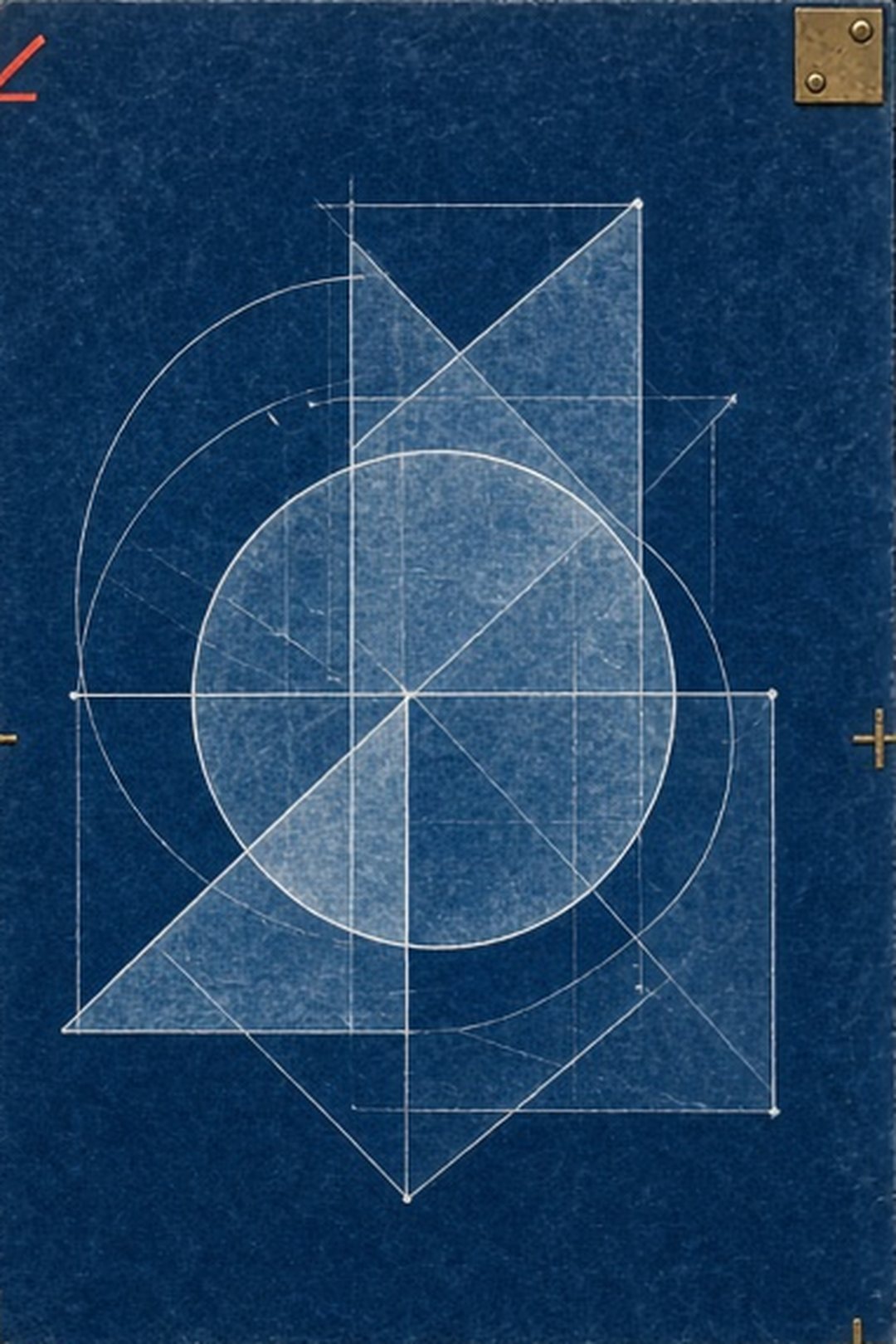
Lay out a blueprint- 01Explore
- 02Gather
- 03Check
- 04Move
Sheet A / plan
Start with a horizon, not an application.
The workbench begins earlier: what you want to learn, what you already know about yourself, and which questions could reveal whether an opportunity deserves more time.
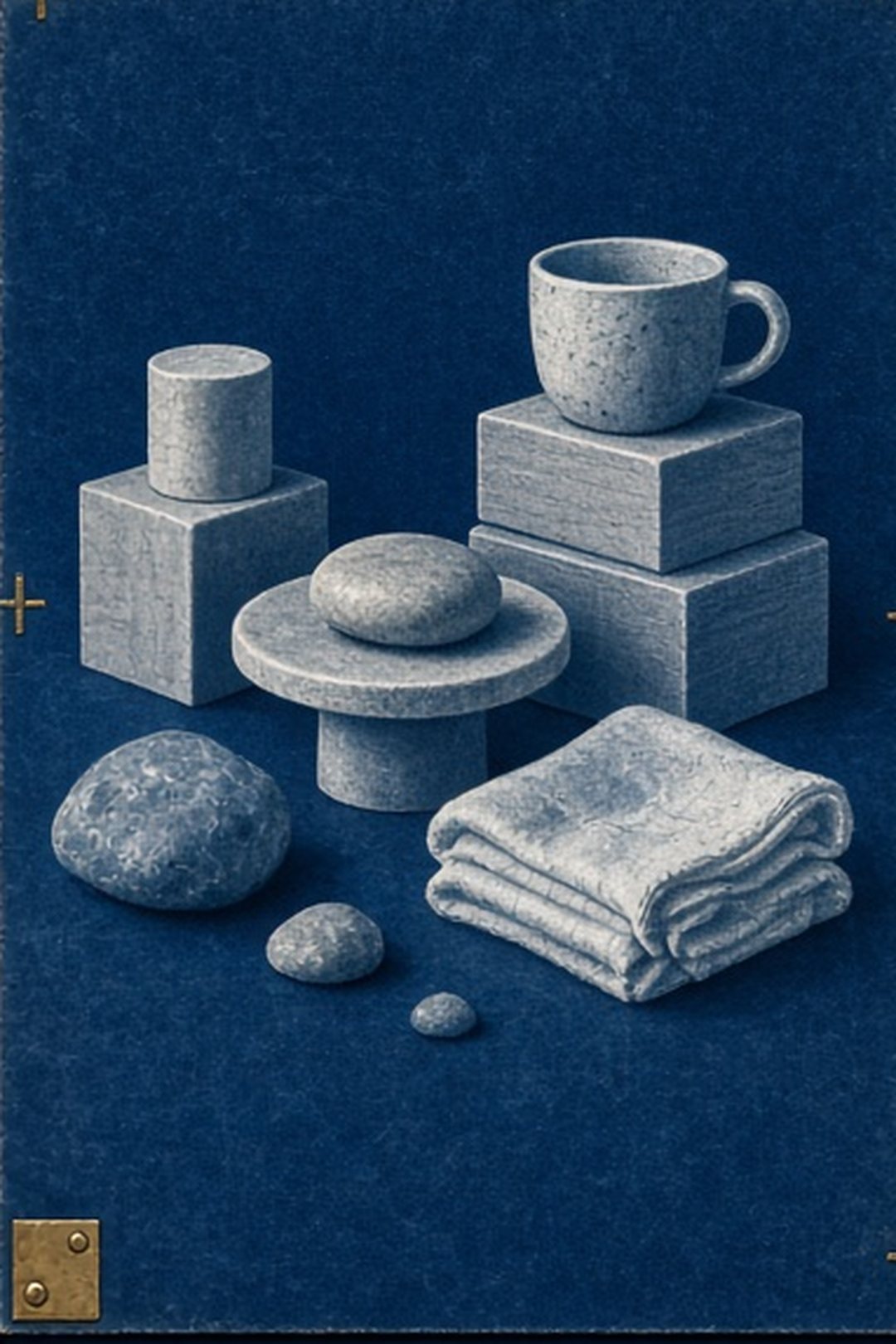
Sheet B / gather
Evidence becomes useful when it can answer a question.
Explore visual cards for strengths, activities, course trails, recommendation asks, essay seeds, costs, and documents. Nothing is uploaded; the app gives each fragment a place in a practice plan.
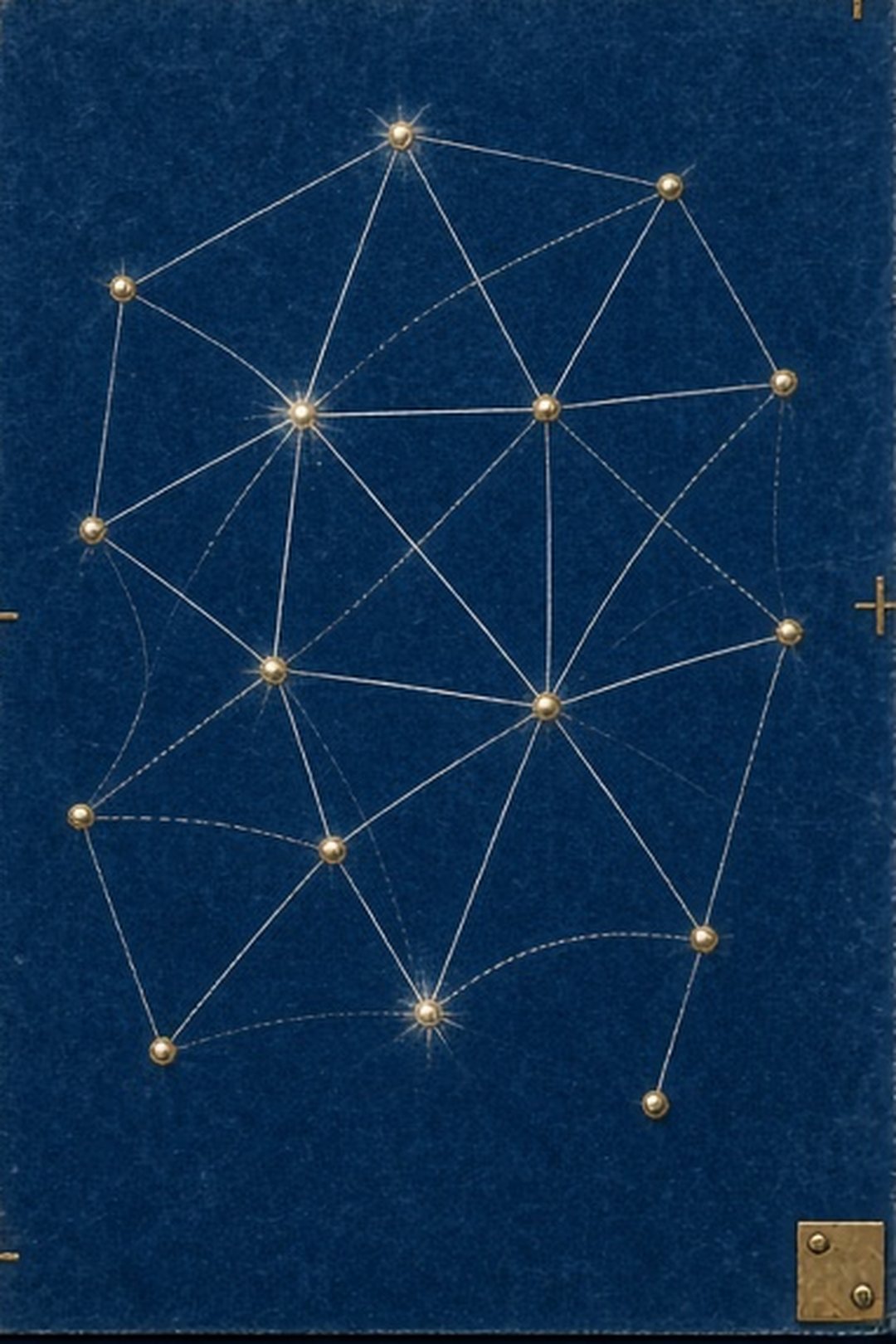
Sheet C / check
Inspect the gaps before the deadline does.
Fictional practice cards make room to test criteria language, compare two paths, notice pressure, prepare a conversation, and decide when walking away is the sensible move.
What is the story underneath the prompt?
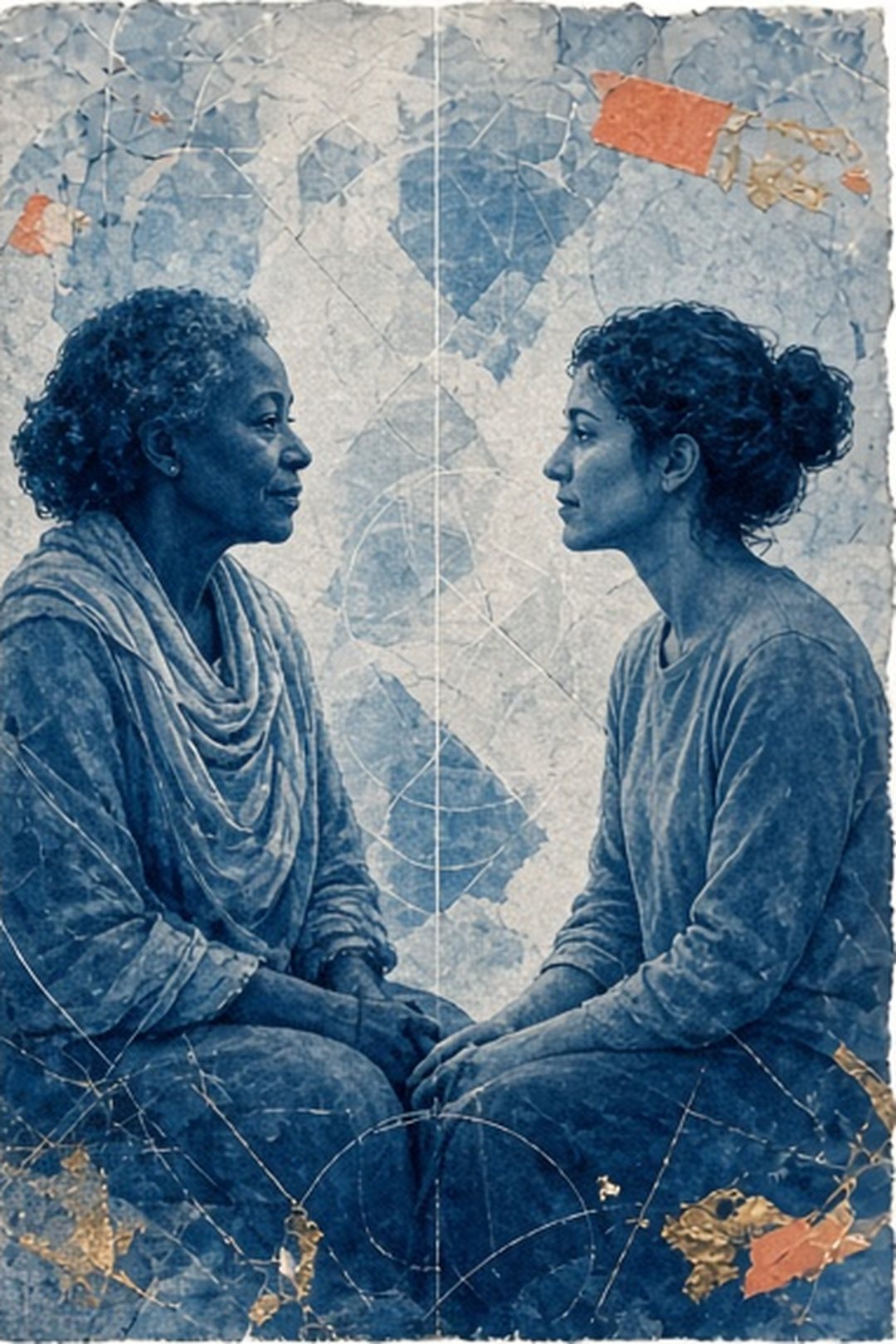
Who can speak to something they truly observed?
Which record belongs in its controlling system?
What pressure, fee, or promise deserves a pause?
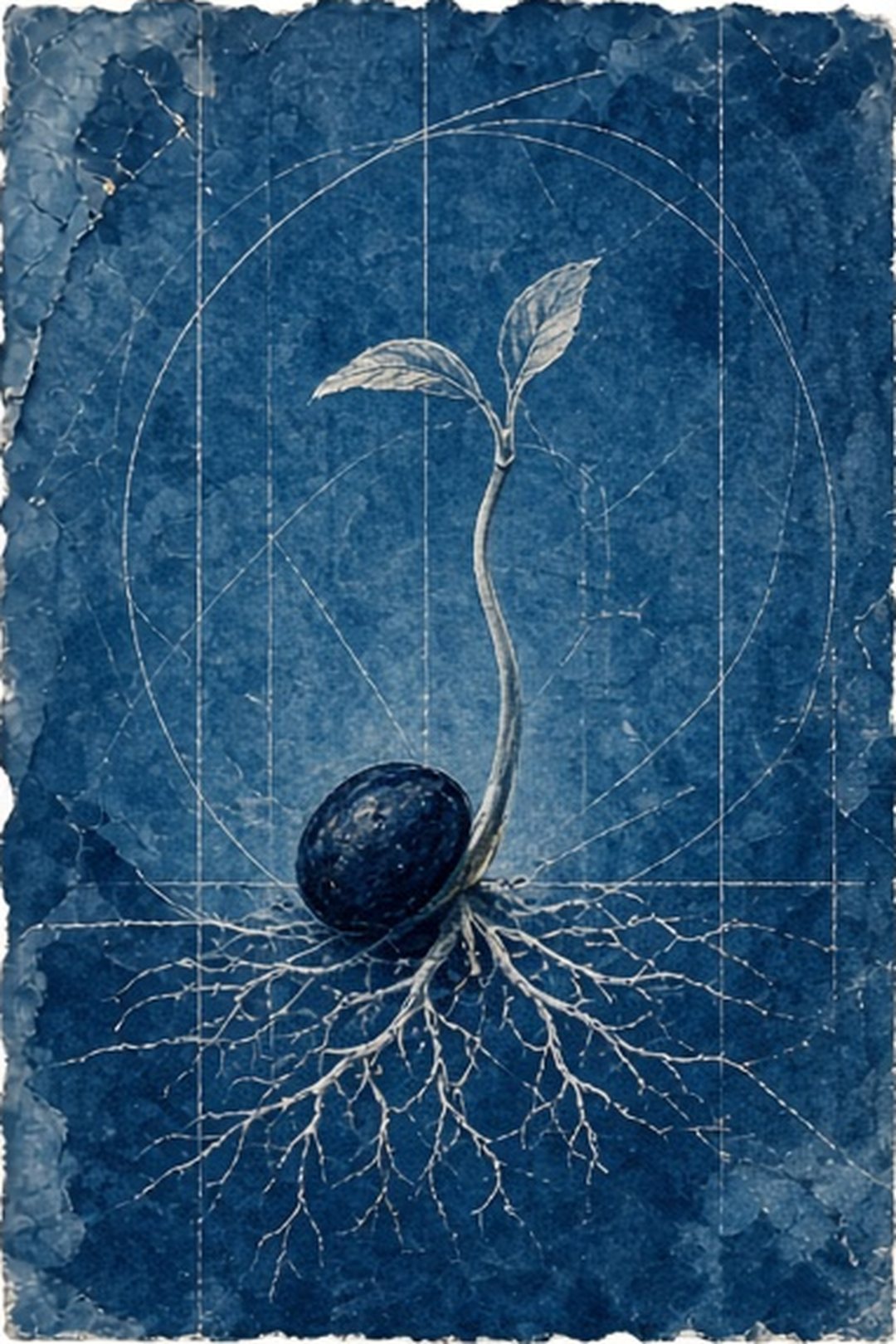
Sheet D / move
A plan becomes useful at the edge where action begins.
The completed four-card blueprint can be saved in a private stack on the device, revisited when circumstances change, or erased. It is a thinking artifact—not a submission, eligibility result, or award decision.
Context / this edition
A detailed planning experience without an invented program.
Nextmark is app-authored planning material associated with the supplied Stride Forward Foundation profile. Public material available for this profile does not establish a current scholarship, application, award, eligibility system, or counseling service, so the app does not claim one.
Its value comes from the original workbench itself: twenty topic families, eighty illustrated scenes, four drafting actions, fictional criteria practice, and a private blueprint stack.
- Explore
- Open the horizon and name the real question.
- Gather
- Turn experience into useful evidence fragments.
- Check
- Inspect criteria, dates, cost language, and pressure.
- Move
- Choose a current source or one achievable action.